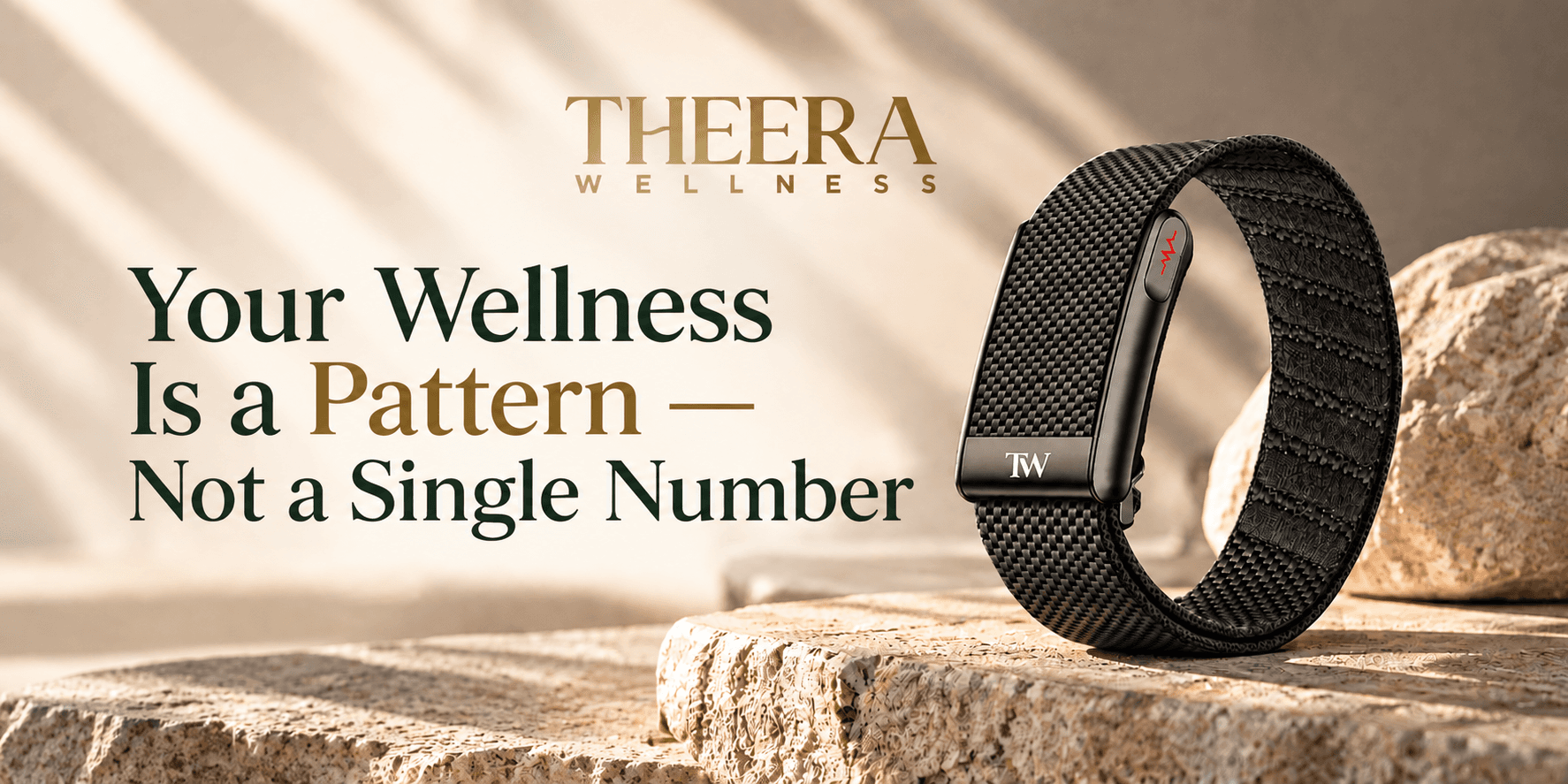
Your Wellness Is a Pattern — Not a Single Number
Wellness is rarely defined by one number. A single heart-rate reading or one night of sleep can tell you something about that moment, but it does not always show how your body is responding over time. Looking at different health and activity metrics together can provide a more useful picture of your everyday wellness.
1. One Reading Doesn’t Tell the Whole Story
Your body changes throughout the day depending on activity, sleep, stress, exercise, hydration and recovery. Because of this, a single reading may not explain what is happening overall.
For example, a higher heart rate after exercise is expected. What becomes more useful is observing how your heart rate behaves during rest and activity across different days. The same principle applies to sleep, movement and other wellness measurements.
A consistent record gives you more context than an isolated result. Instead of looking at one number and immediately judging it, you can look at how that number fits into your usual pattern.
2. The Health Metrics That Complete the Picture
Different metrics provide different pieces of information. Heart rate can show how your body responds during rest and activity. HRV can provide another perspective on recovery patterns. Sleep tracking can help you understand your sleep duration and patterns, while SpO₂ provides information about blood oxygen levels.
Other measurements such as activity, stress and body temperature can add further context.
None of these measurements should be viewed completely on their own. When several data points are considered together over time, they can give you a broader understanding of your everyday routine.
Why multiple metrics matter
Imagine that your activity levels increase significantly during one week. At the same time, you notice changes in your sleep and recovery-related measurements.
Looking at these pieces together gives you more context than simply knowing that you completed more steps that week.
This is where wellness tracking becomes more useful — not by producing more numbers, but by helping you understand the relationship between them.
3. Patterns Matter More Than Occasional Numbers
The real value of wellness tracking comes from consistency.
One unusual night's sleep does not necessarily describe your normal sleep pattern. Similarly, one unusually high or low reading does not automatically explain what is happening with your overall wellness.
Tracking regularly allows you to compare your current information with your own previous patterns. Over several days or weeks, you may begin to notice changes in your sleep, activity, resting heart rate or recovery-related data.
The important point is to look at trends rather than isolated readings.
This approach also makes wellness more personal. Instead of comparing your numbers with someone else's, you can understand what is normal for you and notice when your own routine changes.
4. Real-Day Example — How Your Metrics Connect
Consider a person who has had a particularly demanding week.
On one day, they complete a harder-than-usual workout. Their activity level increases and their heart rate naturally rises during exercise. That night, their sleep pattern may also be different from what they normally experience.
Looking at just the workout tells only part of the story.
When the person reviews their activity, heart-rate information and sleep patterns together, they have more context about how that particular day fits into their routine.
Over time, repeating this process can help them recognise patterns around exercise, rest and daily activity.
The goal is not to diagnose a problem from a wearable reading. It is to become more aware of your own wellness patterns and use that information alongside how you actually feel.
5. Turning Your Wellness Data Into Better Habits
Wellness tracking becomes meaningful when the information connects with everyday decisions.
You might notice that your sleep patterns change during particularly busy weeks. You might also see differences in your activity when your routine becomes more sedentary. These observations can encourage you to pay closer attention to movement, rest and recovery.
The data itself is not the destination. Understanding your routine is.
Rather than chasing a perfect score every day, focus on building awareness over time. Consistency gives you a clearer reference point and makes it easier to recognise changes in your own habits.
Where Theera Fits Into Everyday Wellness
This is the approach behind Theera's wellness-focused wearable concept. Theera Band brings together multiple wellness and activity measurements so users can follow different aspects of their everyday routine rather than relying on a single metric.
The idea is simple: wear it, track consistently and use the information to understand your own patterns.
Learn more about Theera and its wellness-focused approach: Theera Wellness